
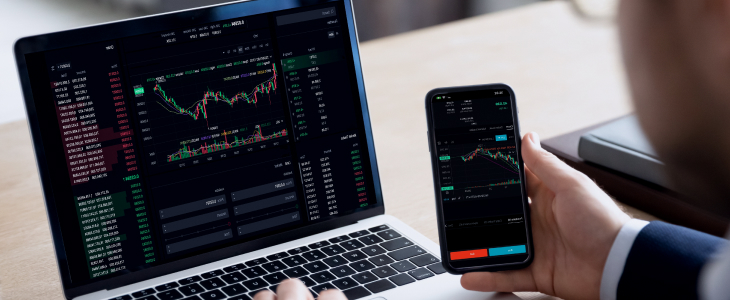
The Forex market, where currencies are traded, remains one of the most dynamic and fast-paced financial environments in the world. With a daily turnover exceeding $6 trillion, it attracts traders from all levels of experience. To succeed in Forex trading, one must grasp a range of strategies and understand the market’s mechanics. In this article, we will delve into crucial insights and techniques that can help traders navigate this complex marketplace. For those looking to utilize advanced trading platforms, consider choosing from various forex market trading MT4 Forex Brokers available in the market.
The foundation of successful Forex trading lies in understanding currency pairs. Each currency pair consists of a base currency and a quote currency. For example, in the EUR/USD pair, the euro is the base currency, while the US dollar is the quote currency. Traders speculate on whether the base currency will strengthen or weaken against the quote currency. A solid grasp of currency pairs is essential for developing effective strategies.
Understanding Market Trends
Trends play a pivotal role in Forex trading. A trend is the general direction in which the market moves. There are three types of trends: upward (bullish), downward (bearish), and sideways. Using tools like trend lines and moving averages can help traders identify and predict these trends. An upward trend occurs when prices are consistently higher, while a downward trend is characterized by lower prices. Sideways trends indicate market indecision and can present unique trading opportunities.
Technical Analysis
Successful Forex trading often hinges on technical analysis, which involves the use of historical price data and trading volume to forecast future price movements. Traders employ various tools, such as charts, indicators, and oscillators, to analyze market conditions. Tools like RSI (Relative Strength Index), MACD (Moving Average Convergence Divergence), and Bollinger Bands are popular among traders for identifying potential entry and exit points. Understanding how to interpret these indicators helps traders make informed decisions.
Fundamental Analysis
In addition to technical analysis, fundamental analysis examines economic indicators and news events that can affect currency prices. Factors such as interest rates, inflation, and geopolitical events can significantly impact market movements. For instance, when a country raises its interest rates, typically its currency strengthens as higher rates attract foreign investment. Traders who stay informed about economic news releases and geopolitical events are better equipped to anticipate market volatility.
Risk Management
No trading strategy is complete without a solid risk management plan. The Forex market can be highly volatile, and it is essential to protect your capital. Techniques such as setting stop-loss orders, diversifying your trading portfolio, and only risking a small percentage of your trading capital on a single trade are fundamental to long-term success. Risk-reward ratios should also be calculated to ensure that potential profit exceeds potential loss.
Developing a Trading Plan
A well-structured trading plan is crucial for any Forex trader. This plan should outline trading goals, risk tolerance, and the rules for entering and exiting trades. A good trading plan acts as a blueprint for traders, helping them remain disciplined and adhere to their strategies, especially during high-pressure market conditions. Regularly reviewing and adjusting the trading plan based on market changes or personal performance is also important.
Choosing the Right Broker

The choice of broker can significantly impact trading success in the Forex market. Factors to consider include the broker’s regulation status, trading platform, spreads, and commissions. It is advisable to select a broker with a solid reputation and one that offers a demo account for practice before committing real capital. This allows traders to familiarize themselves with the trading environment and refine their strategies without financial risk.
Psychological Factors in Trading
Trading psychology is often an overlooked aspect of Forex trading. Emotional discipline is crucial to success. Fear and greed can distort decision-making processes, leading to impulsive trades and significant losses. Developing mental resilience and sticking to a predetermined trading strategy can help mitigate emotional influences. Techniques such as mindfulness and keeping a trading journal can aid traders in recognizing their emotional patterns and improving their overall performance.
Continuous Learning and Adaptation
The Forex market is ever-evolving, and continuous learning is essential for success. Engaging in online courses, webinars, and reading market-related literature can enhance traders’ knowledge and skills. Following expert analysts and participating in Forex communities can also provide valuable insights and strategies. Adapting to new information and market conditions is vital in maintaining competitiveness in the Forex market.
Conclusion
In conclusion, trading in the Forex market offers amazing opportunities for profit, but it requires knowledge, discipline, and a well-planned approach. Understanding market trends, employing effective technical and fundamental analysis, managing risk, and adhering to a trading plan are all essential components of successful trading. By focusing on psychological resilience and committing to continuous learning, Forex traders can navigate this complex market with greater confidence and effectiveness. With the right tools and strategies, traders can achieve their financial goals in the dynamic landscape of Forex trading.